Thursday, January 24, 2008

Don Mahaffey -- Part 3 -- Supertendent of the Year Finalist

Don Mahaffey was recently selected as a finalist for Superintendent of the Year for 2007 by Turfnet - formerly Golfweek's Supernews. It is an honor well deserved.
Congratulations Don.

Here is a link to the article.
Here are my three favorite quotes:


"Don is a superintendent who not only is a skilled greenkeeper, but also is a dogged and determined project manager who is not afraid to stand up to architects and construction crews for what he believes is best for the golf course and the checkbook of the man paying the bills."

"His steadfast determination has shaved $2 million-$3 million from the project's original $6.5 million anticipated price tag"

"He has been preaching a practical golf course maintenance program as if he were Jim Arthur," Nuzzo said. "The golf course is already healthy and vibrant and is going to play firm and fast."

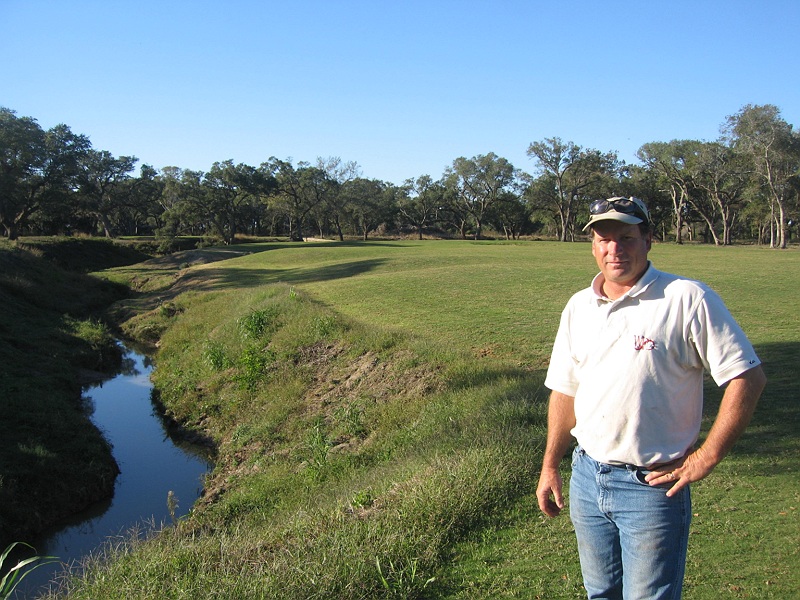
The picture above is from the approach at 16 the creek wraps behind the green too.
Here are the two past blogs about Don:
Part 1
Part 2

Monday, January 21, 2008

Iterations every visit

How effective can the design evolution and construction process be chronicled and how iterative should they be as processes?

Typically when a course is built to print, or by what the plans say, the builder follows the plans and the architect visits to make sure everything is going according to that plan. If there are any problems they adapt and find a solution. If something isn't turning out quite right, they modify the construction. There are many projects that have been built and will be built where the design is modified significantly in the field - after it has been finished and even irrigated at considerable wasted expense!

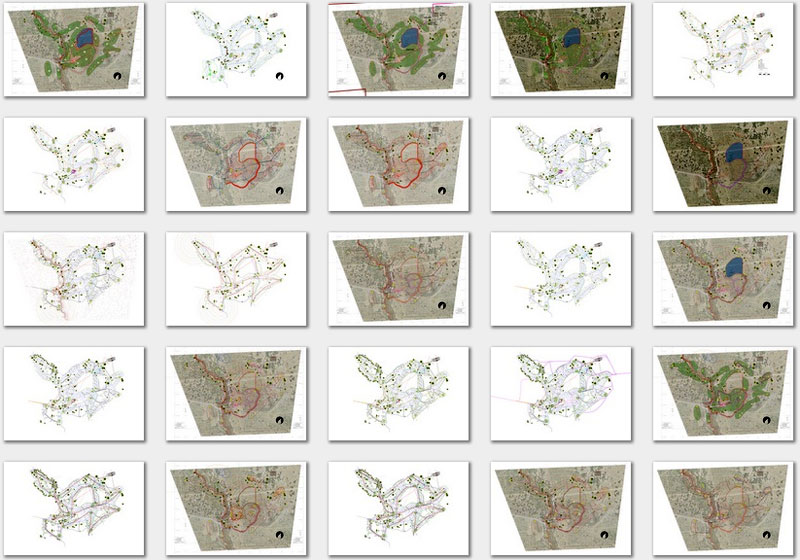
Throughout the design and construction of Wolf Point I would bring the GPS unit on site integrated with the latest plan - so when I walked around I could see where I was relative to the as yet unbuilt golf course. We used the tool to assist us with layout, clearing, earthwork, shaping, drainage, irrigation, feature construction and grassing. At each stage and with each visit I would map any new features (a nice live oak we saved) or changes we made in the field into the GPS unit and incorporate those into the construction documents. I'd study them in the office and often make additional adjustments to subsequent stages - like irrigation. I would then incorporate those adjustments into the GPS unit for the next site visit. So each and every visit would entail an iteration of incorporating planned changes and then recording any field changes -- over and over again until we were finished.

The image above is about half of the image layouts that were used during construction of various stages. It is one way I have a record of the process through the many snapshots of the GPS images.

Here was the Turfnet Article that described the process from a broader perspective.

Sunday, January 20, 2008

The 17th Hole - Controversy Already

To date there are only two of us that have studied the hole in great detail. So far there is one vote for it being a par 4 and one vote for it being a par 5. The USGA's yardage guidelines put the 17th hole in a par 4 catagory, but so far it is more accurately described as a par 4 1/2 that plays into the prevailing wind. The par 4 13th is actually a fair bit longer, but it plays down wind and it doesn't have a creek all along the left side of the hole.

The image above is the same one from last week, except it is rotated 180 degrees.

The members tee shot is reall cool. It plays over the 16th green and across the creek. The clearing and natural land forms are similar to the previous hole. There are a pair of small bunker that will interfere with a not well struck 2nd shot. But there is pleanty of room to run the ball on the green.

I'm looking forward to seeing how the scorecard looks in a few years -- as for now it is a par 71.

Earlier Holes Featured: 1 - 2 - 3 - 4 - 5 - 6 - 7 - 8 - 9 - 10 -11 - 12 - 13 - 14 - 15 - 16.

Thursday, January 17, 2008

An old friend

Today please notice some changes to the right side of this blog: I've added a separate header to easily find the latest references to each golf hole. Further down on the right I've added the label features - If you click a label - for example: the team label - all previous posts about the crew will be listed - including this one.

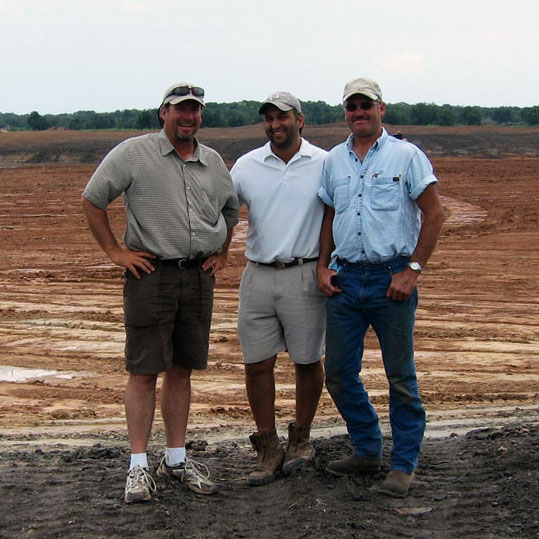
While going through and labeling past entries I noticed I missed someone important. Bobby O - pictured above on the right. He was the local farmer that was instrumental with our mass excavations. He spent a lot of time in his nice tractor - Scraper last spring.
Don is on the left, and that is me in the middle.

Bobby O has the best sweet corn I've ever tasted and makes a great picante sauce. I'm looking forward to the day when he returns - it looks very, very different - and I want to hear his thoughts of what we accomplished.

Wednesday, January 16, 2008

What does a slug have to do with golf course construction?

How did I communicate complex ideas with our crew? I could draw a very, very detailed plans - which would have been impossible to replicate in the field. I could have flown everyone over to St. Andrews to check out the greens and fairways of The Old Course - because there is nothing like that within 500 miles of Houston.

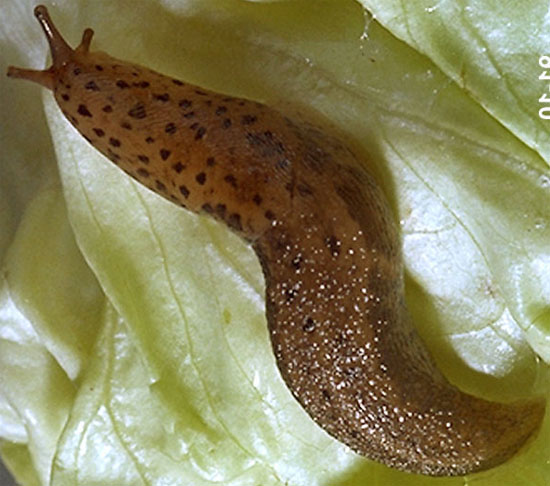
One of my earlier attempts: one day I said out loud, create some irregular shapes in the 10th fairway, like a bunch of mating slugs. I think they did understand, but the jarring image sure created further discussions about my choice of words rather than the task at hand.

The best way to communicate with the crew is in a clear and practical manner that is easily understood by the crew. I can imagine how many "artists" would struggle to get the vision in their head out of someone else's paint brush. Setting up guidelines and some general rules and giving freedom to the talented ones to create was what worked best for us. Don was instrumental in this capacity - and often as my interpreter. At Wolf Point the guidelines were to make sure everything was practically maintainable -- the slug part was in response to having land-forms be longer - as opposed to the moundy blunt types more typical on golf courses across the US.

I will never forget the feeling of seeing one of our first fairways finished - the 4th - and having such a sense of accomplishment and joy that we had come so far and we had created exactly what we wanted in terms of our overall shaping.

We did have a lot of fun thinking about mating slugs on site - it was a good thing I didn't tell everyone that slugs are hermaphrodites.

Tuesday, January 15, 2008

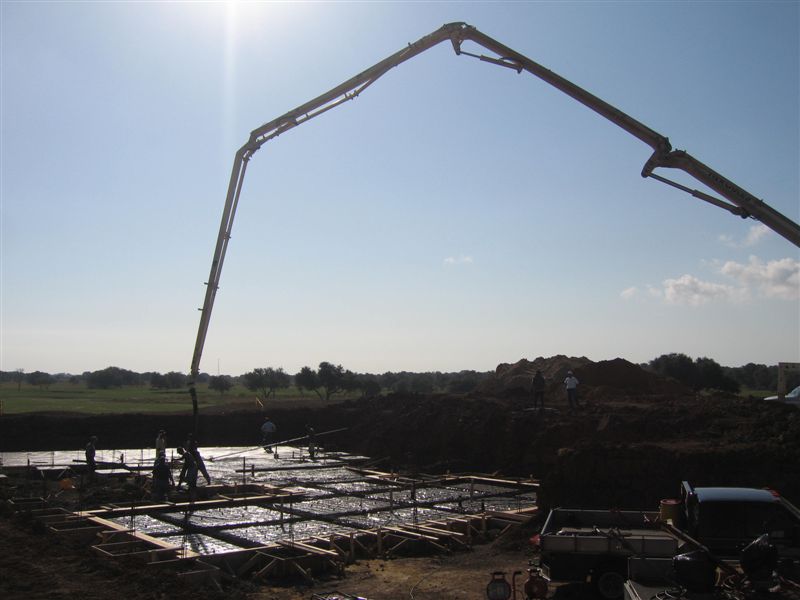
The Main Clubhouse foundation gets poured

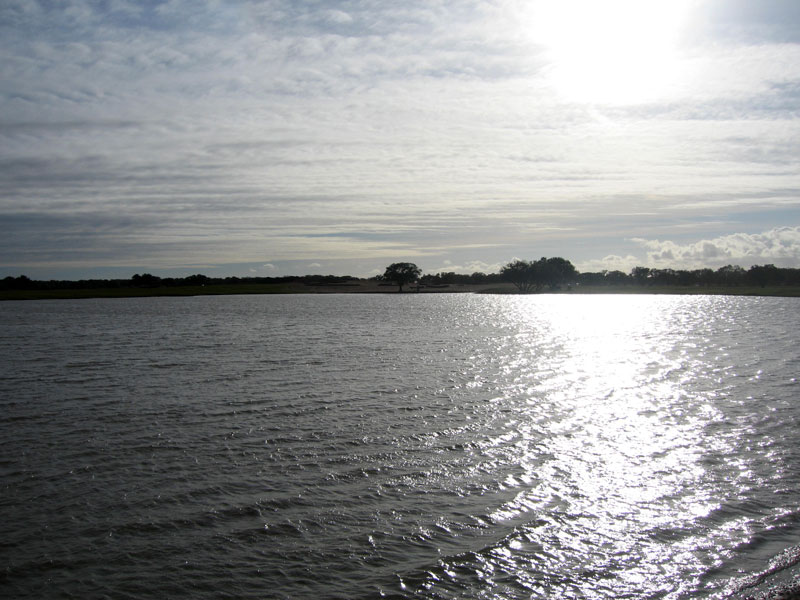
The main clubhouse construction has begun. Late last year the foundation was poured, see above. It will take a little over a year to complete and it will look super on it's site. It will have great vistas of much of the course. 1, 9, 8, 18, 4 & 5 will surround the clubhouse and almost every other hole will be visible from one of the many views. It will be perched adjacent to the large lake - pictured yesterday. The basement should be finished this month, which will enable us to complete all the earthwork just of to the edge - backfilling, and grass up to the structure, and start establishing our non-grass plantings.

The first structure, view here, is almost finished. It is very nice inside, and almost all the fixtures are installed. It will be plenty ready for a first meeting before the opening round - and after too.

Monday, January 14, 2008

A visitor's impression

I had a golf industry visitor to Wolf Point last week - Will - who has seen many great golf courses. He was very impressed with the site, its setting and the design of the course. We spoke today and he said he could easily remember all of the holes and thought he could probably describe the greens too. The course left a very strong impression.

I have always thought Wolf Point would be very memorable, it is very nice to see just how memorable.

Sunday, January 13, 2008

What can happen to your bunkers?

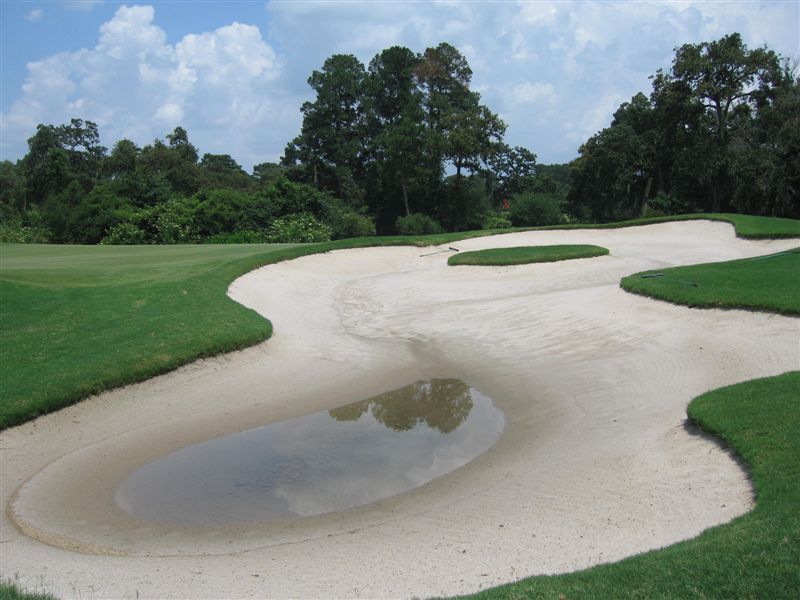
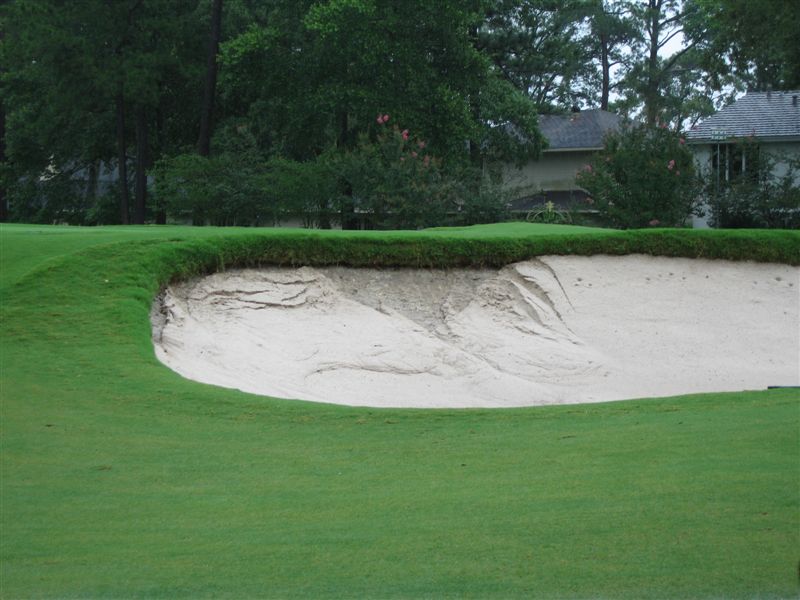
Over time bunkers clog up. There are many new products and methods that were designed to help. It seems as if everyone does their best, and mostly that means accepting the eventual clogging.

One additional maintenance expence is returning the washed sand after a significant rain event. Sometimes it only takes a little rain to wash out a bunker depending on how it was shaped and what area drains into the bunker.

The above pictures are not from Wolf Point. We have made significant efforts to manage the design, construction and maintenance of our bunkers so they will last a long time with modest upkeep. We have finalized our process and will begin the final steps at the course this month. I hope to chronicle a little of what we will do. Don has done considerable research.


Related Posts Plugin for WordPress, Blogger...